2024
September 2024 - Joint Journal
The September 2024 issue of the SonoSim Wave explores joint and MSK ultrasound applications and use cases.
The January 2026 issue of the SonoSim Wave is focused on vascular ultrasound - complete with scanning tips and a quiz.
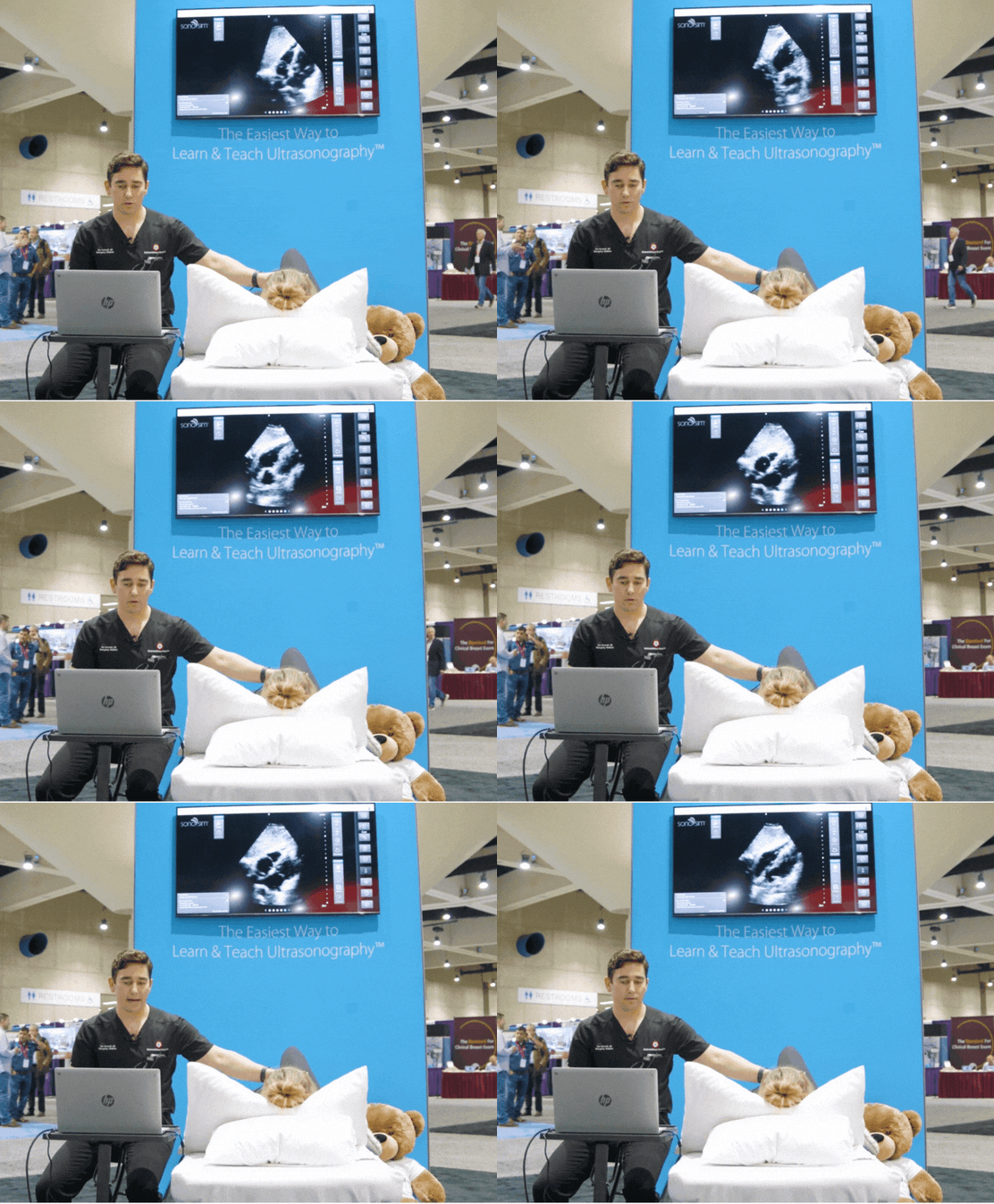
We had an incredible time connecting with simulation champions, educators, and healthcare training leaders in San Antonio! Thank you to everyone who stopped by Booth #637 to see how SonoSim helps simulation centers make the most out of their investments by integrating ultrasound into existing simulation assets.
📌 Couldn’t make it, or want to revisit what we shared?
Short on time? The Outline Page helps you learn on your schedule.
Courses now show a visual breakdown of courses, sections, and lessons, including estimated time duration, so learners can pick a quick refresher or commit to a longer session when they have time.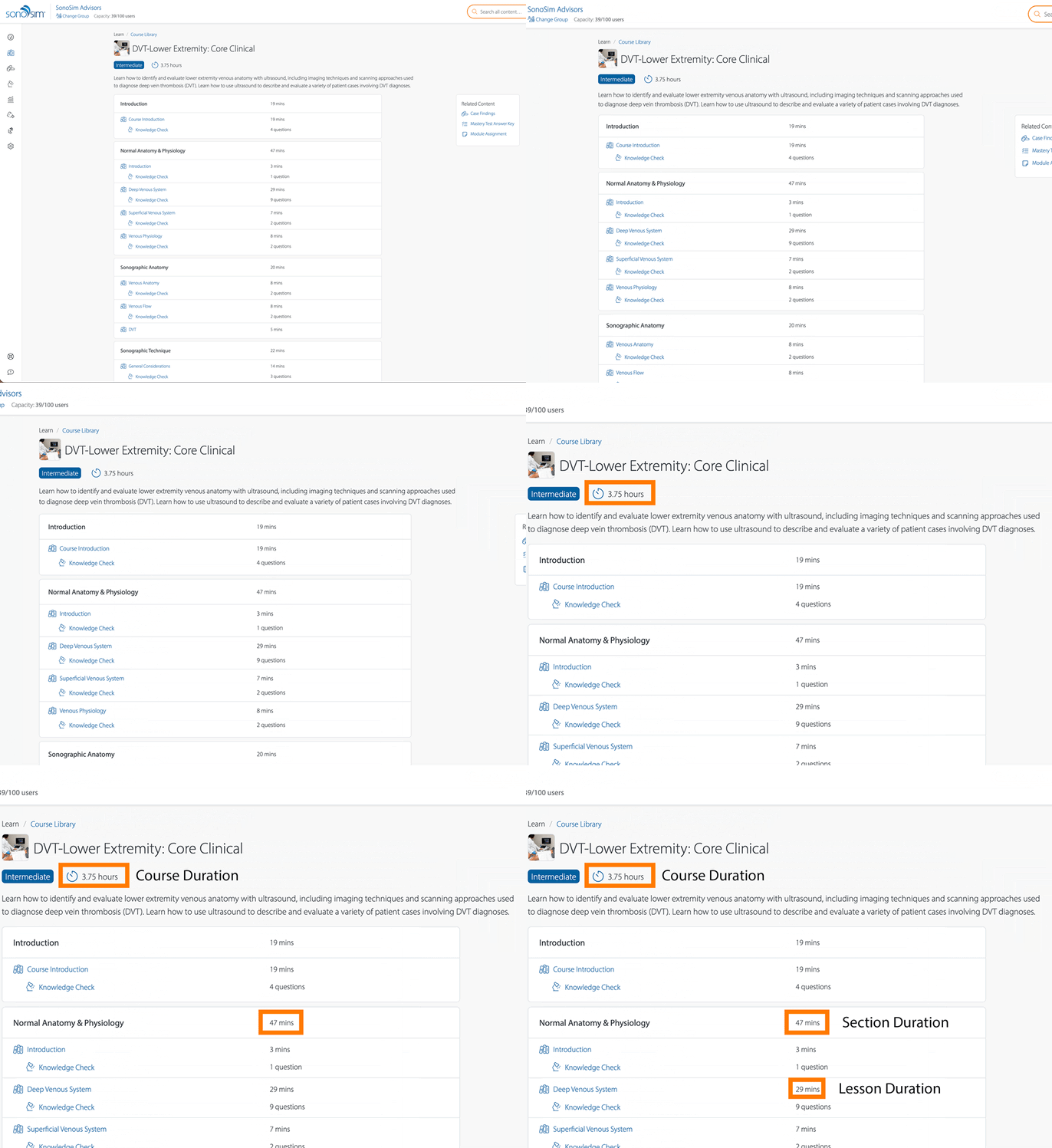

Credit: unknown
📲 Follow Us on Social!


The September 2024 issue of the SonoSim Wave explores joint and MSK ultrasound applications and use cases.
The February 2026 Echo Explorer from SonoSim focuses on cardiac ultrasound, featuring key echo views, anatomy review, guided videos, and a clinical...
Discover MSK ultrasound insights in this July 2025 issue—case studies, dynamic scanning tips, imaging tricks, and updates from SonoSim.