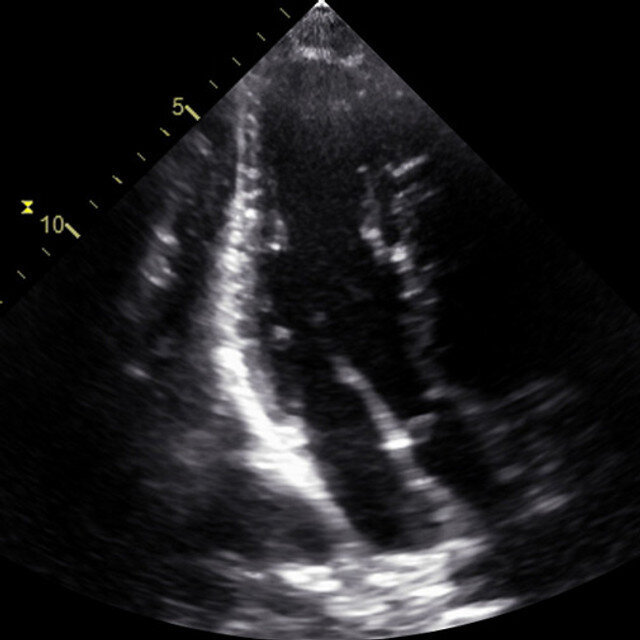
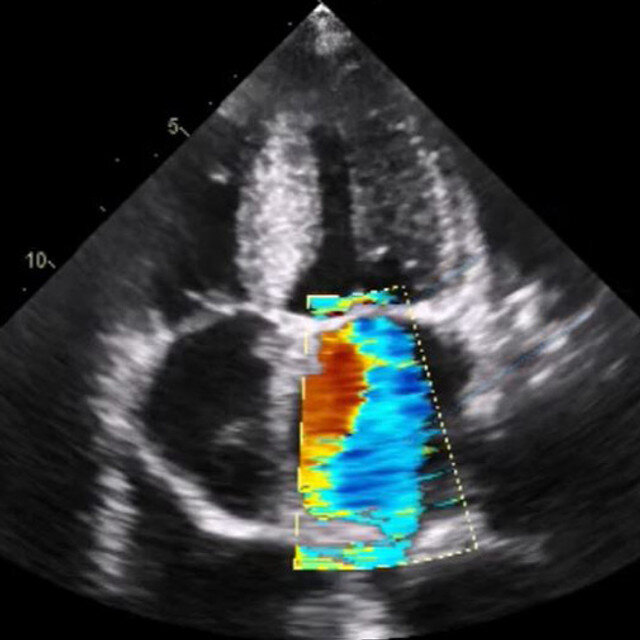
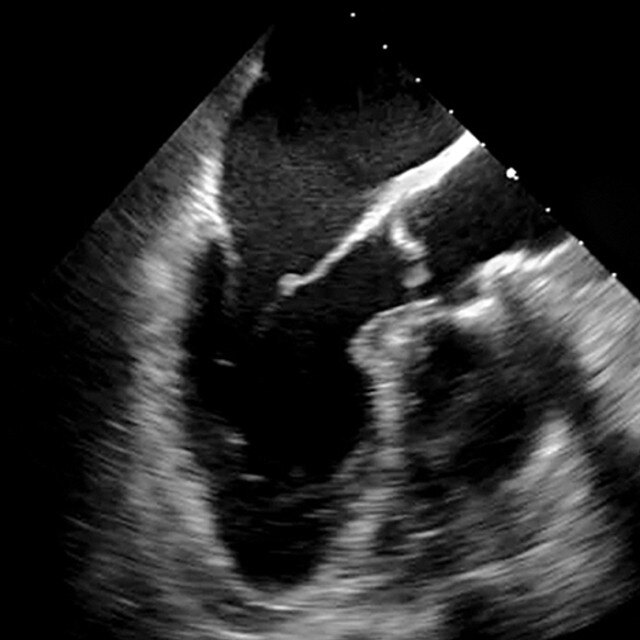
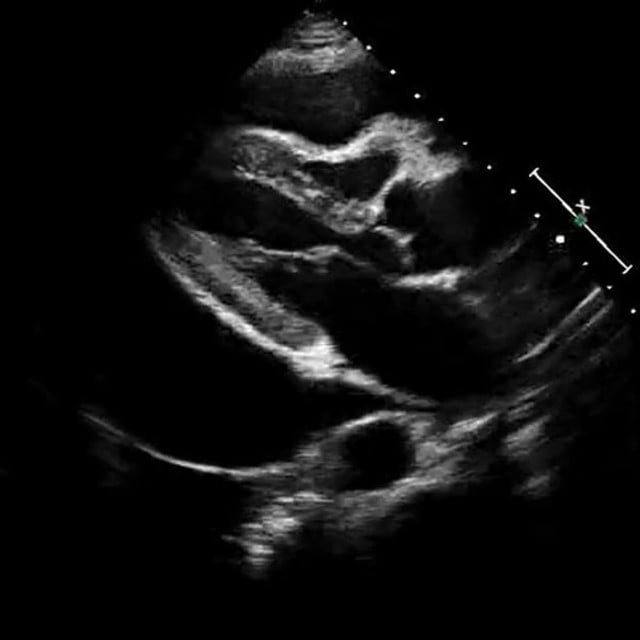

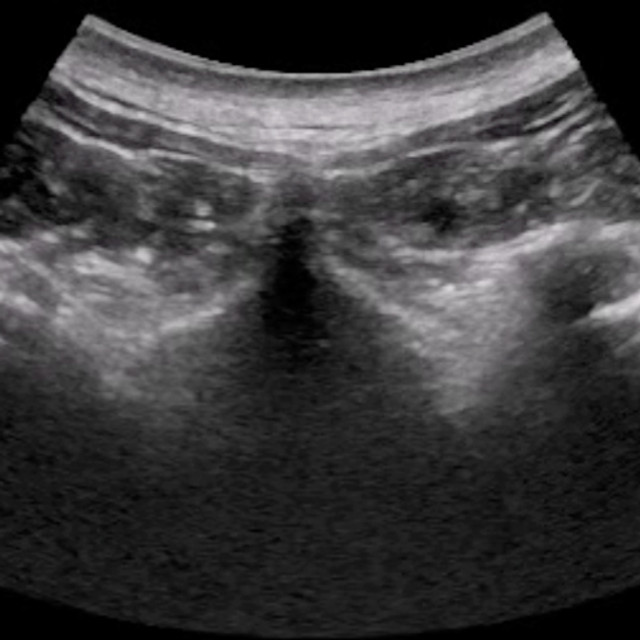
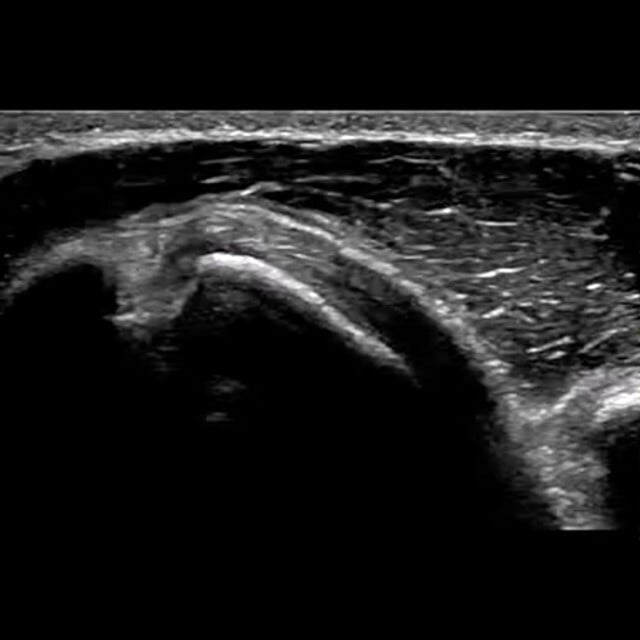
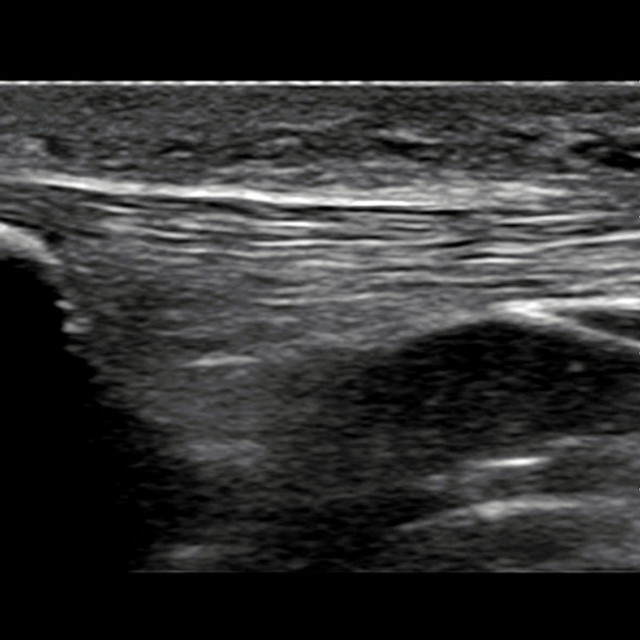
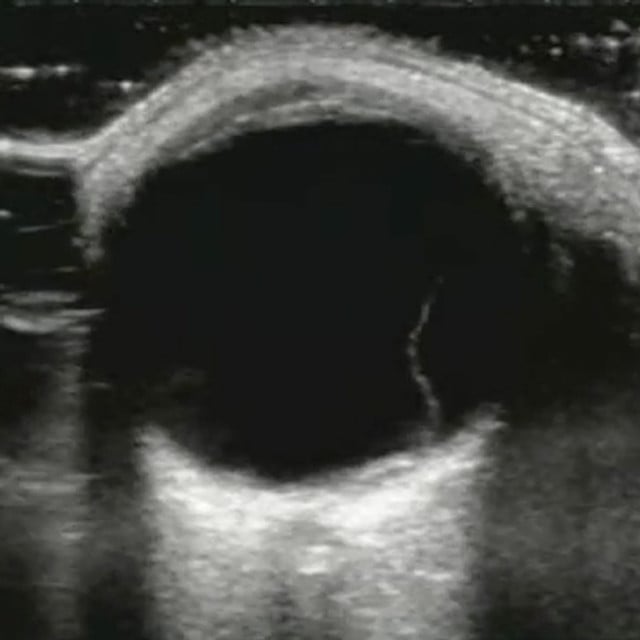
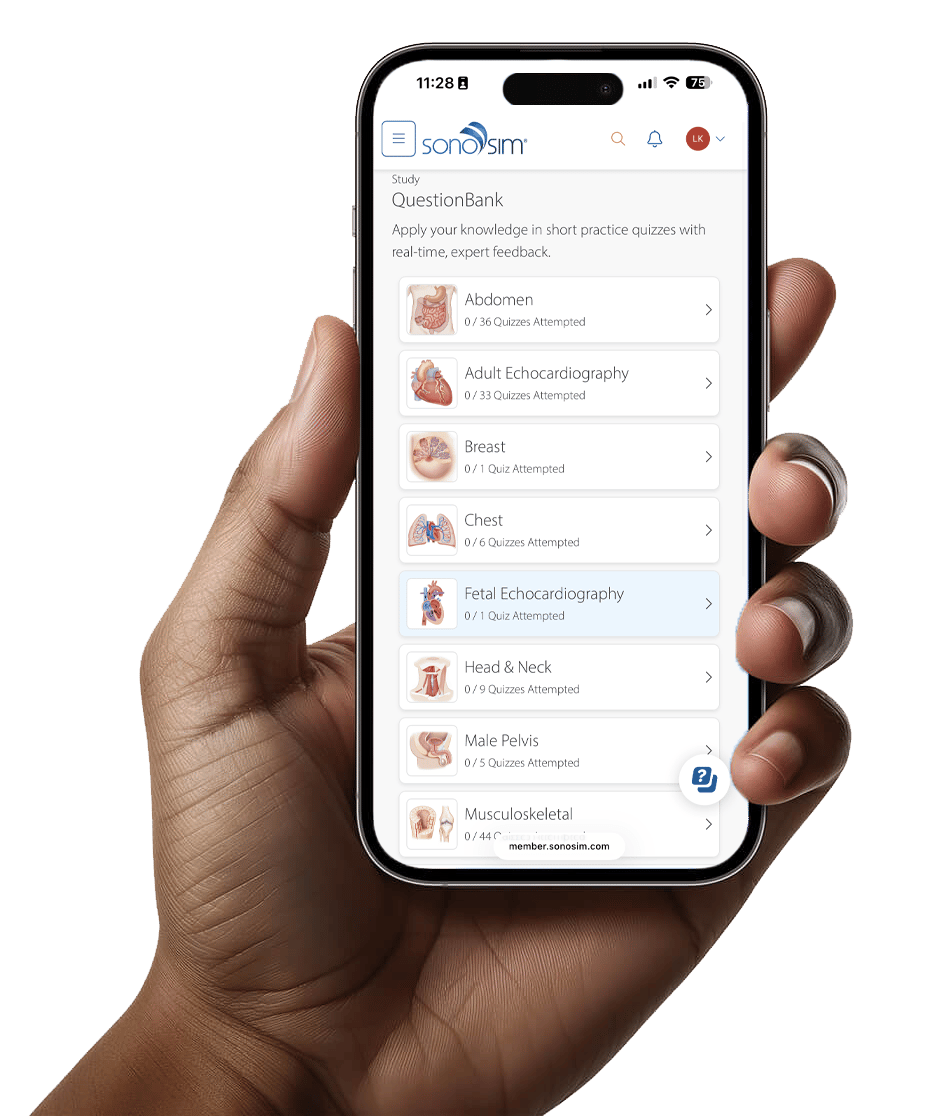
An Ultrasound Education Platform Built for Anesthesiology Residency Programs
Help residents build and demonstrate the ultrasound competencies now defined in ACGME anesthesiology requirements and the ABA certification content outline.


Meet the Ultrasound Competencies Now Required in Anesthesiology
Standardize how your program trains and assesses ultrasound competency across every resident
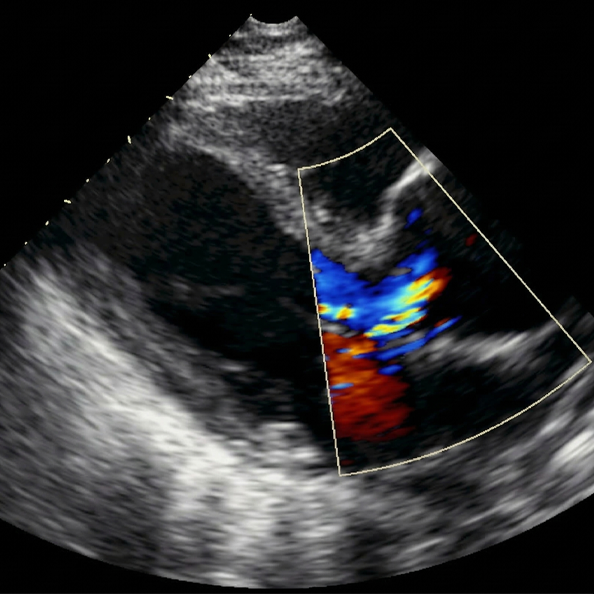
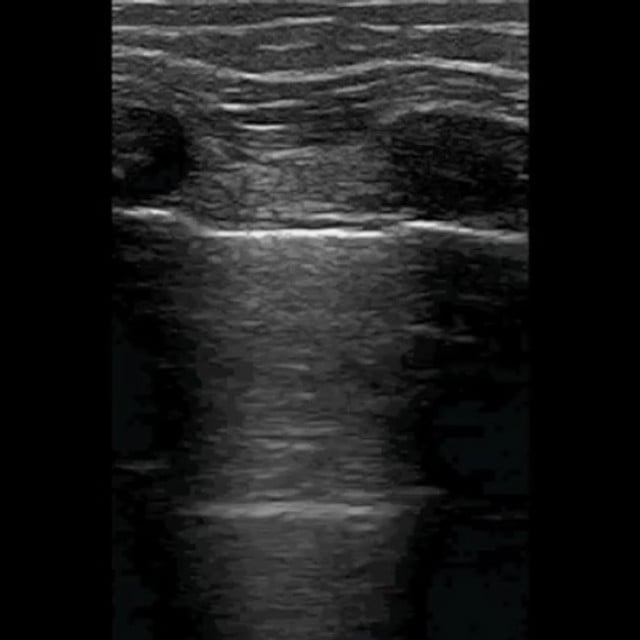
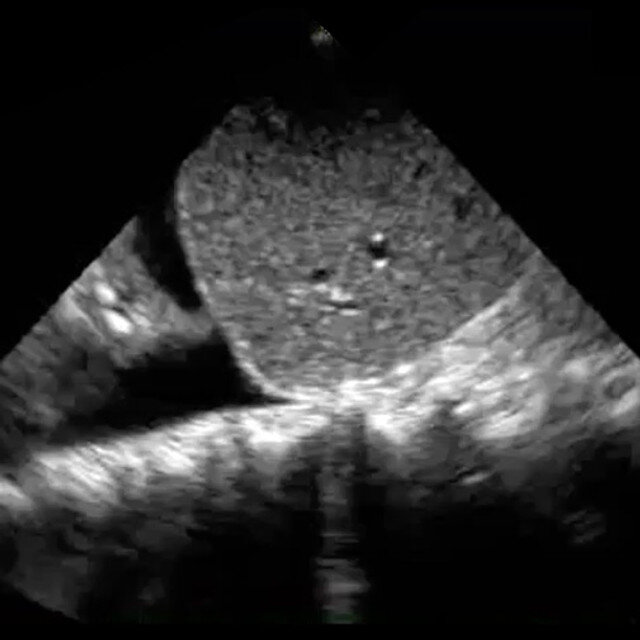
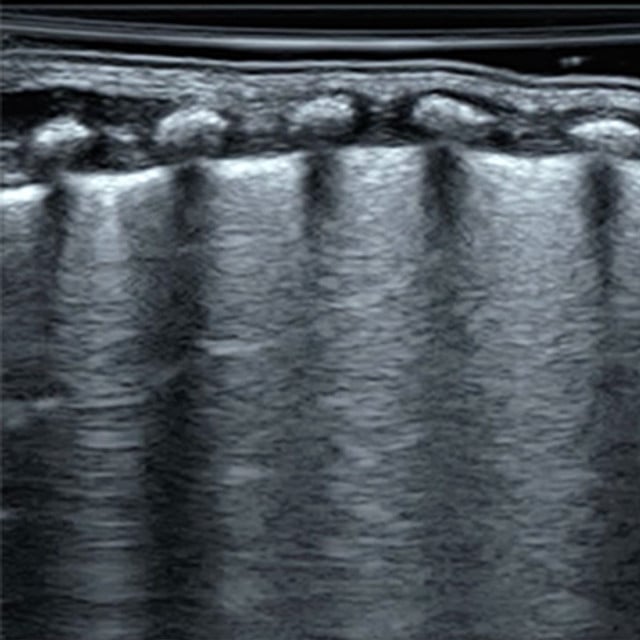
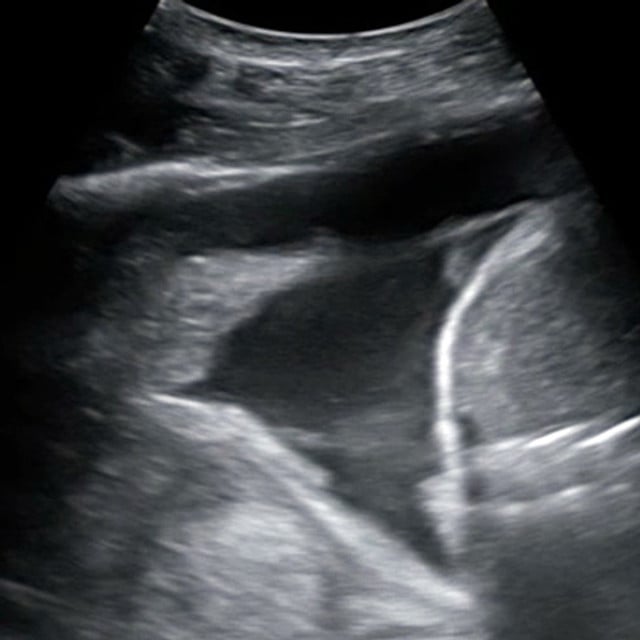
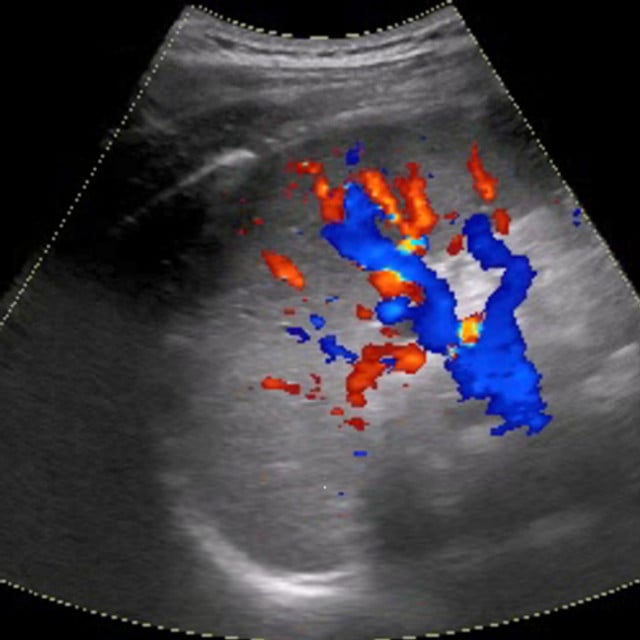
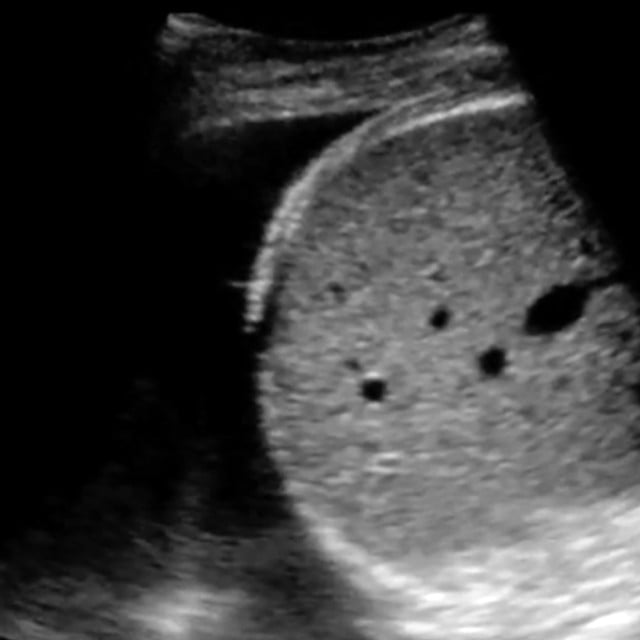
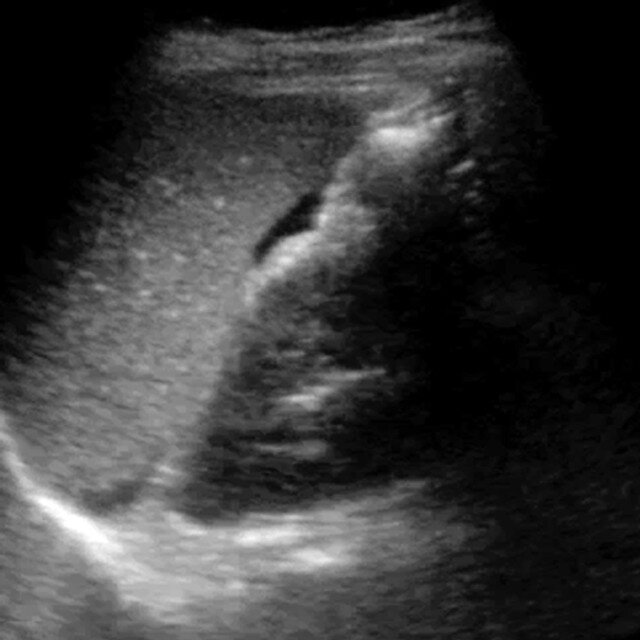
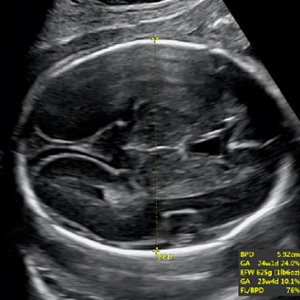
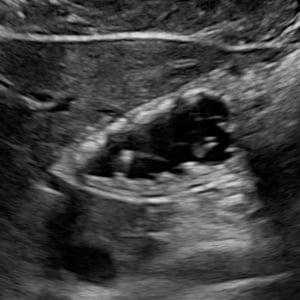
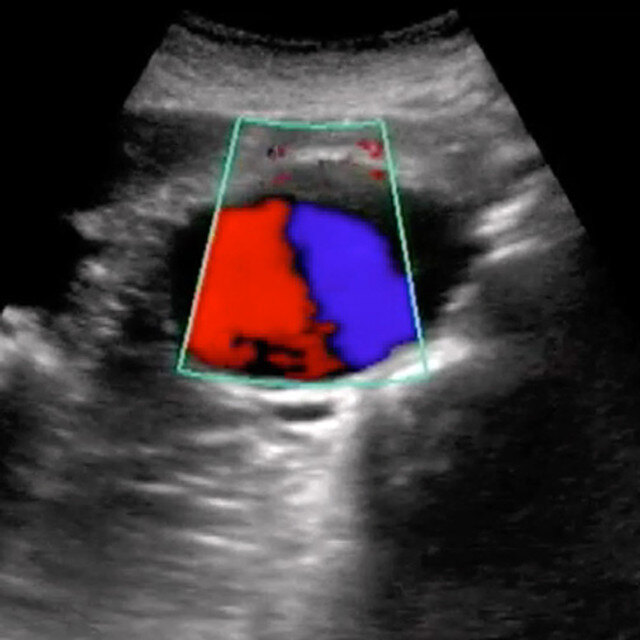
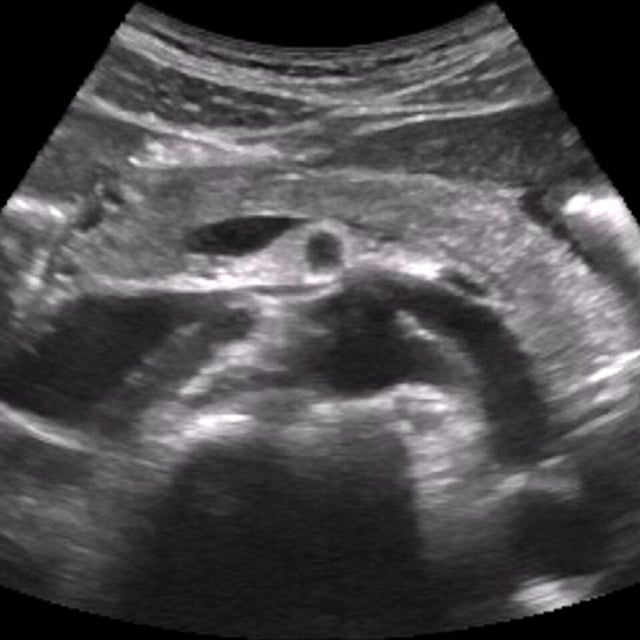
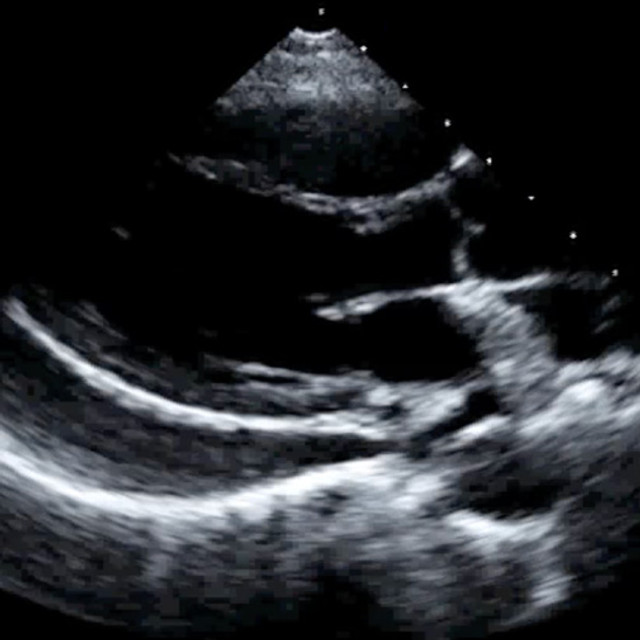
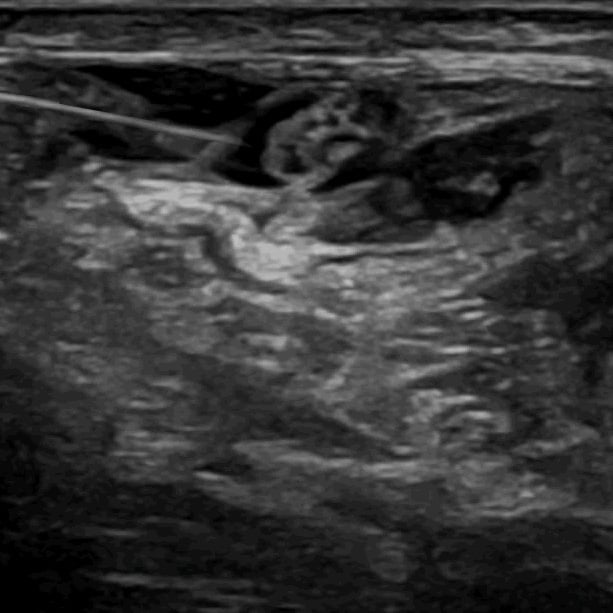
The 2026 ACGME anesthesiology requirements call for residents to be competent in surface ultrasound and echocardiography, including transthoracic and transesophageal imaging, lung ultrasound for the detection of pneumothorax and pleural effusion, and ultrasound guidance for both vascular access and regional anesthesia. The ABA has added focused ultrasound of the lungs, inferior vena cava, bladder, and stomach to its certification content outline, and an ASA committee has proposed a diagnostic point-of-care ultrasound scope of practice built around focused cardiac, gastric, and pleural imaging. Ultrasound is no longer a supplemental skill in anesthesiology. It is a defined and assessed part of training.
Meeting that standard across an entire residency is the hard part. Machines are in constant clinical use, an ultrasound expert is not always free to teach at the bedside, the right pathology does not appear on demand, and delivering consistent, repeatable practice to every resident is difficult on a busy perioperative service.1, 2, 3.
For anesthesiology programs, that means:
- Competency has to span a broad and advanced set of applications, from focused cardiac, lung, and gastric imaging to ultrasound-guided vascular access and regional anesthesia
- Learners need consistent, repeatable practice that does not depend on which machines, cases, and supervising experts happen to be available during a given rotation
- Faculty need a scalable way to teach, assess, and document ultrasound competency across every resident and every cohort
With ultrasound now part of anesthesiology training and certification, programs need a consistent, scalable way to build and document competency across the residency.

Prepare Residents to Use Ultrasound Across Perioperative Care
Build the confidence to apply POCUS from the preoperative clinic to the OR and ICU
Meeting the ultrasound requirements is one thing. Being ready to use ultrasound in the moments that matter is another. Anesthesiology residents need the confidence to assess cardiac function before induction, rule out a pneumothorax, gauge aspiration risk, and guide vascular access and regional blocks across the operating room, the ICU, and procedural settings.

Anesthesiology programs use the SonoSim ecosystem to standardize how ultrasound is taught, give residents repeated exposure to pathology they cannot count on seeing during a given rotation, and build the judgment to apply POCUS in perioperative and critical care decisions.
Programs use SonoSim to support:
-
Standardized exposure to the ultrasound applications anesthesiology residents are expected to master, including focused cardiac, lung, and gastric imaging, as well as ultrasound-guided vascular access and regional anesthesia
- Hands-on scanning of real pathologic cases in the SonoSimulator®, giving every resident consistent, repeatable practice that does not depend on the day's caseload or patient availability
- Practice integrating ultrasound findings into perioperative and critical care decisions, from the preoperative assessment to intraoperative management and the ICU
Support Your Faculty and Scale Ultrasound Across the Program
Help faculty teach, assess, and document ultrasound competency without adding to their clinical workload
Anesthesiology faculty are among the most experienced ultrasound users in the hospital, but the operating room leaves little room to teach it at the bedside. Because faculty ultrasound strengths vary, one resident may get strong echo training while another gets very little, depending on who supervised their rotations. Faculty are still responsible for teaching these skills, guiding each resident's progress, and keeping competency consistent across the program.
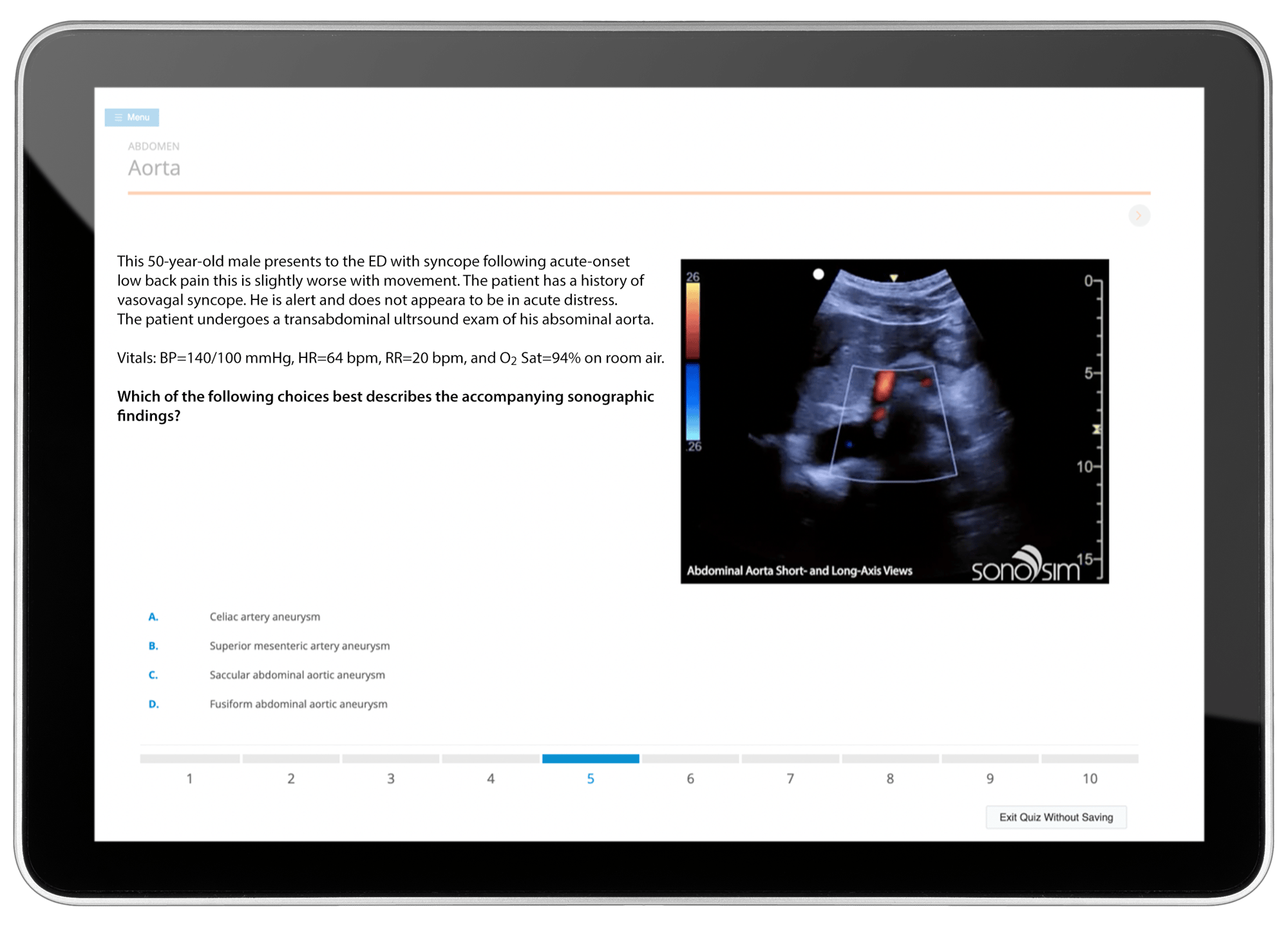
SonoSim gives faculty a standardized foundation to build on, so the core ultrasound curriculum does not rest on any one attending's availability or subspecialty. Faculty can move residents through structured learning and hands-on scanning, see where each resident stands, and document competency across the program, all without pulling scarce time away from clinical care.

The SonoSim ecosystem supports anesthesiology programs with:
- 85+ on-demand courses covering the ultrasound applications relevant to anesthesiology, including focused cardiac and lung imaging, echocardiography, and ultrasound-guided vascular access
- Hands-on scanning of real pathologic cases in the SonoSimulator®, giving every resident consistent, repeatable practice regardless of the day's caseload
- Built-in assessment tools that help faculty evaluate competency and support each resident's progression
- Progress tracking and reporting that let program leadership monitor resident development and document competency across cohorts
- A structured and proven† approach that gives faculty the essential building blocks to develop ultrasound competency across the program

Meeting Ultrasound Requirements Across a Full Anesthesiology Residency Is Hard. We Make It Achievable.
Give every resident a standardized way to build and demonstrate the ultrasound skills expected at the point of care.
Integrate Ultrasound into Clinical Decision-Making with SonoSim LiveScan®
Prepare residents to apply ultrasound in the moments that matter at the point of care
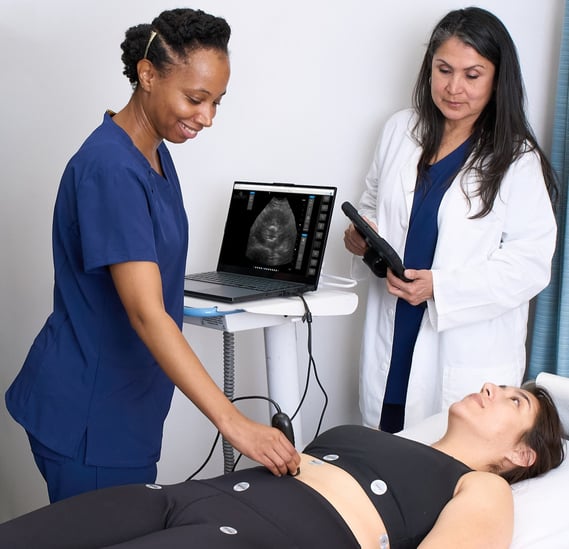
SonoSim LiveScan extends ultrasound education beyond the screen, letting programs assess how residents apply ultrasound in realistic, dynamic clinical scenarios. By combining live scanning with simulated pathology and evolving patient conditions, SonoSim LiveScan helps faculty evaluate clinical reasoning, image acquisition, and decision-making as they unfold across perioperative, critical care, and procedural settings.


-
Run realistic, live scenarios that strengthen how residents apply ultrasound to clinical decision-making across anesthesiology settings
-
Instantly transform any manikin or live volunteer into a simulated patient presenting relevant pathology
- Add another layer of realism by dynamically adjusting patient conditions in response to resident decision-making
Building Ultrasound Competency Across Anesthesiology Programs
A practical, program-level approach to training and assessment
Anesthesiology programs are tasked with preparing residents to use ultrasound across a wide range of clinical scenarios, spanning perioperative, critical care, and procedural settings. With ultrasound competency now defined in ACGME requirements and the ABA certification content outline, programs need more than isolated instruction or reliance on variable patient encounters to get every resident to the expected standard.
Programs use SonoSim to support a structured approach to ultrasound education that combines didactic learning, hands-on scanning across a library of clinically relevant cases, and applied clinical practice. Residents gain repeated exposure to the findings they need to recognize while developing the ability to integrate POCUS into clinical decision-making.
For faculty, SonoSim helps standardize training and assessment across cohorts while integrating into existing curricula. Programs can support hands-on scanning, supervised practice, and observed performance as residents progress toward independent clinical use of ultrasound.

Covering Ultrasound Applications Across Anesthesiology Requirements
Comprehensive coverage across the core diagnostic point-of-care ultrasound applications relevant to anesthesiology
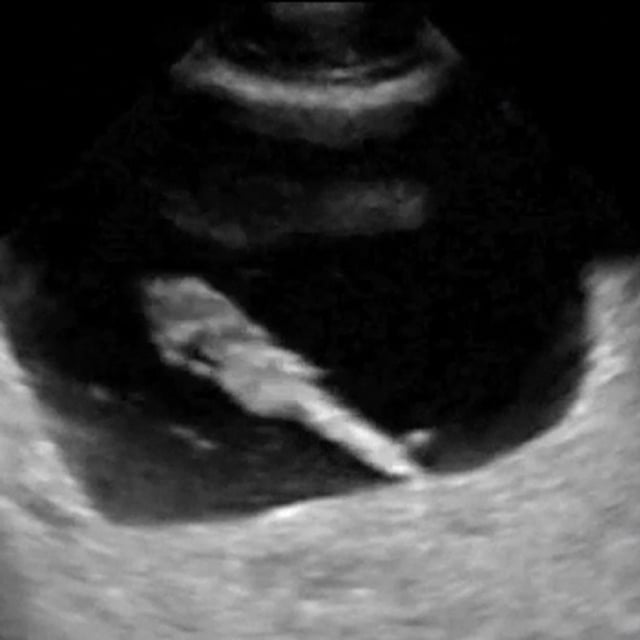
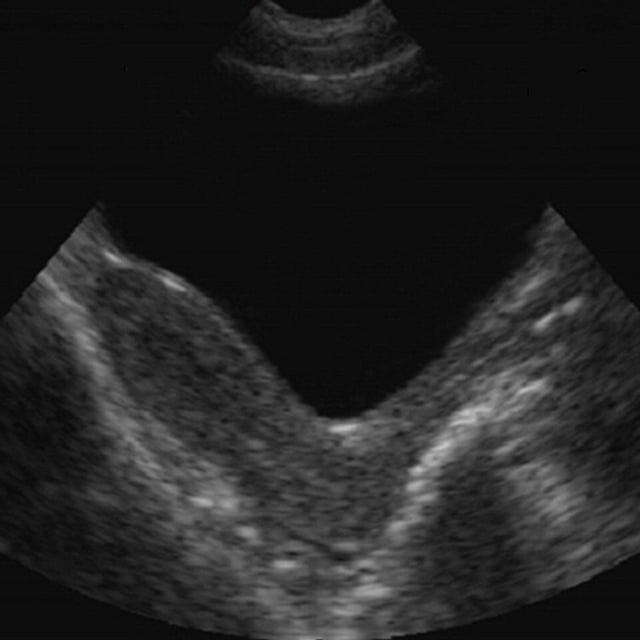
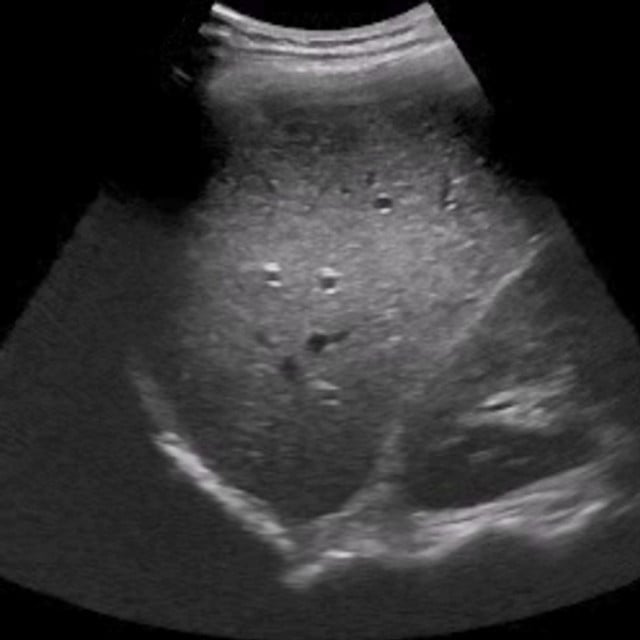
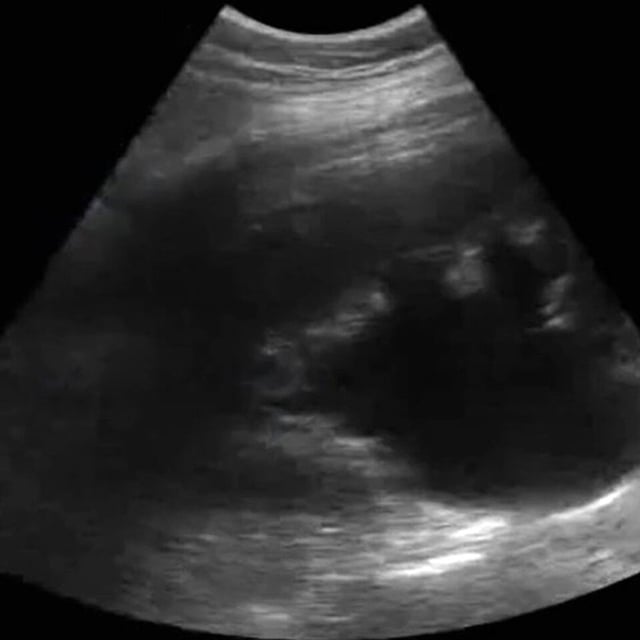
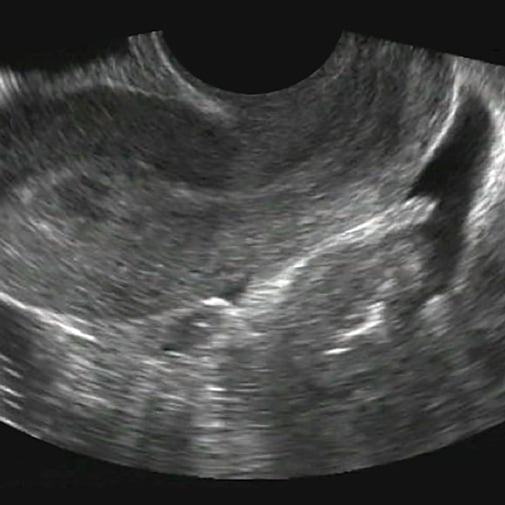
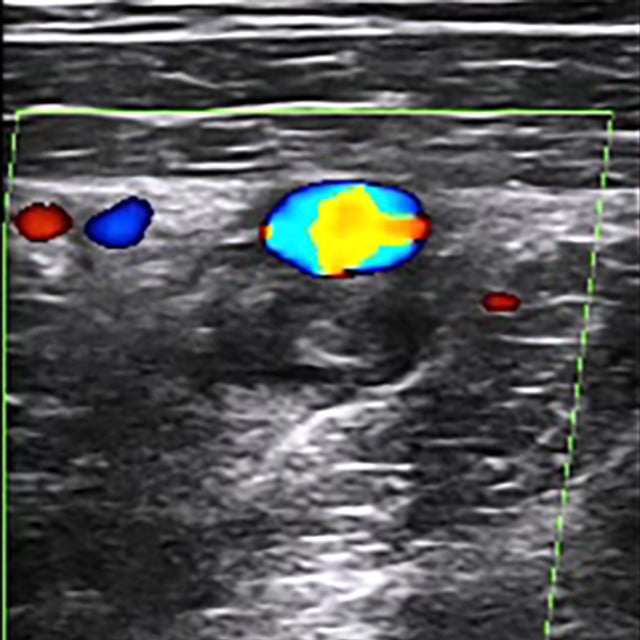
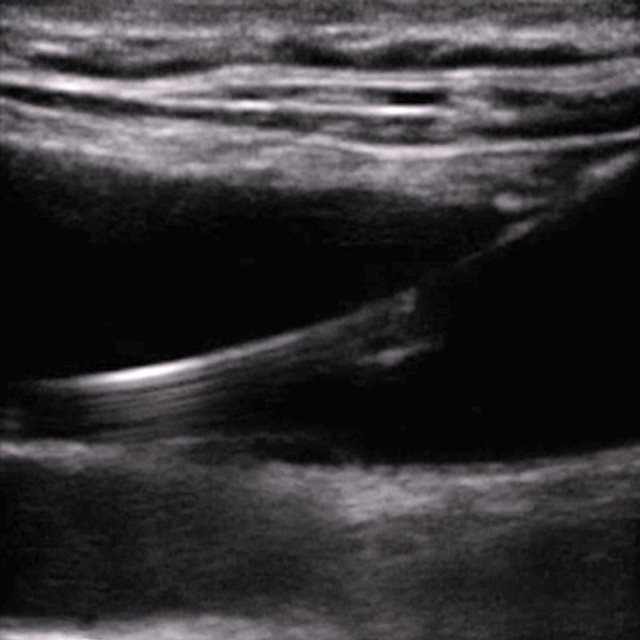
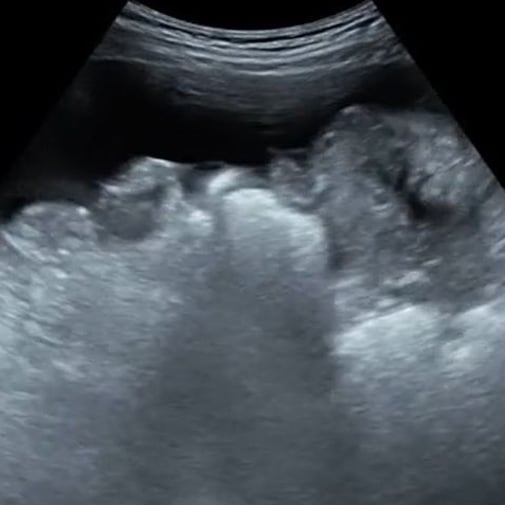
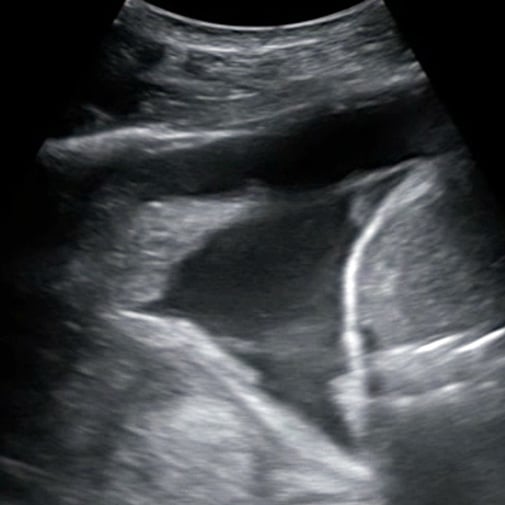
SonoSim supports anesthesiology ultrasound education across the applications residents are expected to master, from airway and lung ultrasound to gastric, focused assessment with sonography for trauma, and focused cardiac ultrasound. Content is built to support standardized, competency-based training and maps to the point-of-care ultrasound domains defined in the ASRA expert panel recommendations, giving programs a proven† foundation for meeting ACGME and ABA expectations.
Fully mapped to the ASRA expert panel recommendations on point-of-care ultrasound:
Physics
Airway
Lung

• Anatomy & Physiology

• Core Clinical

• Advanced Clinical

• Ultrasound-Guided Procedure

• Critical Care Cases

• Trauma Care Pathologic Cases
FAST
Gastric
FoCUS

• Anatomy & Physiology

• Core Clinical

• Advanced Clinical

• Advanced Clinical

• Ultrasound-Guided Procedure

• Cardiac Resuscitation Pathologic Cases

• Trauma Care Pathologic Cases

The SonoSim ecosystem supports anesthesiology programs with:
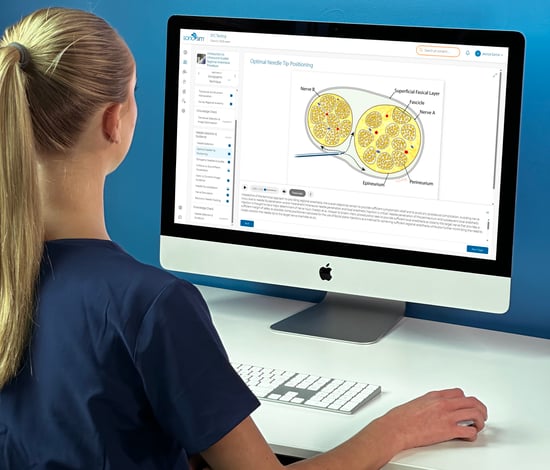
- Structured didactic learning: On-demand ultrasound education covering anatomy and physiology, along with the core, advanced, and procedural applications relevant to anesthesiology.
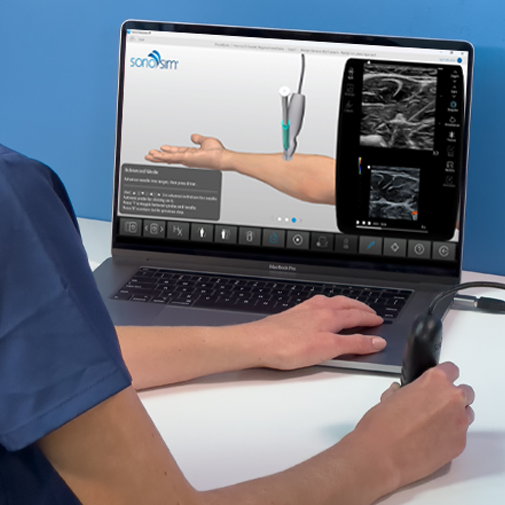
- SonoSimulator® scanning with pathology: Hands-on ultrasound simulation featuring a wide range of patient cases and pathology, enabling consistent, repeatable practice beyond variable clinical encounters.
- Deliberate practice and challenge cases: Opportunities for residents to apply ultrasound findings in clinically relevant scenarios that mirror real-world decision-making across perioperative and critical care settings.
- Performance assessment and progress tracking: Tools that help faculty monitor resident development, support consistent competency evaluation, and identify gaps across cohorts.
- Flexible integration into existing curricula: Designed to align with how anesthesiology programs teach ultrasound, supporting standardized training without adding unnecessary burden to faculty.
Review the full SonoSim Ecosystem
-
Learn
-
Scan
-
Practice
-
Track
-
Study
-
Apply
-
Integrate
Interactive Ultrasound Courses
Explore SonoSim's comprehensive library of on-demand online ultrasound courses covering thousands of ultrasound applications. Authored by leading experts, our interactive and multimedia courses combine regional anatomy, sonographic insight, practical imaging techniques, real patient cases, and helpful videos. Get engaged with our CME*-eligible blend of learning tools.
Hands-On Virtual Ultrasound Scanning
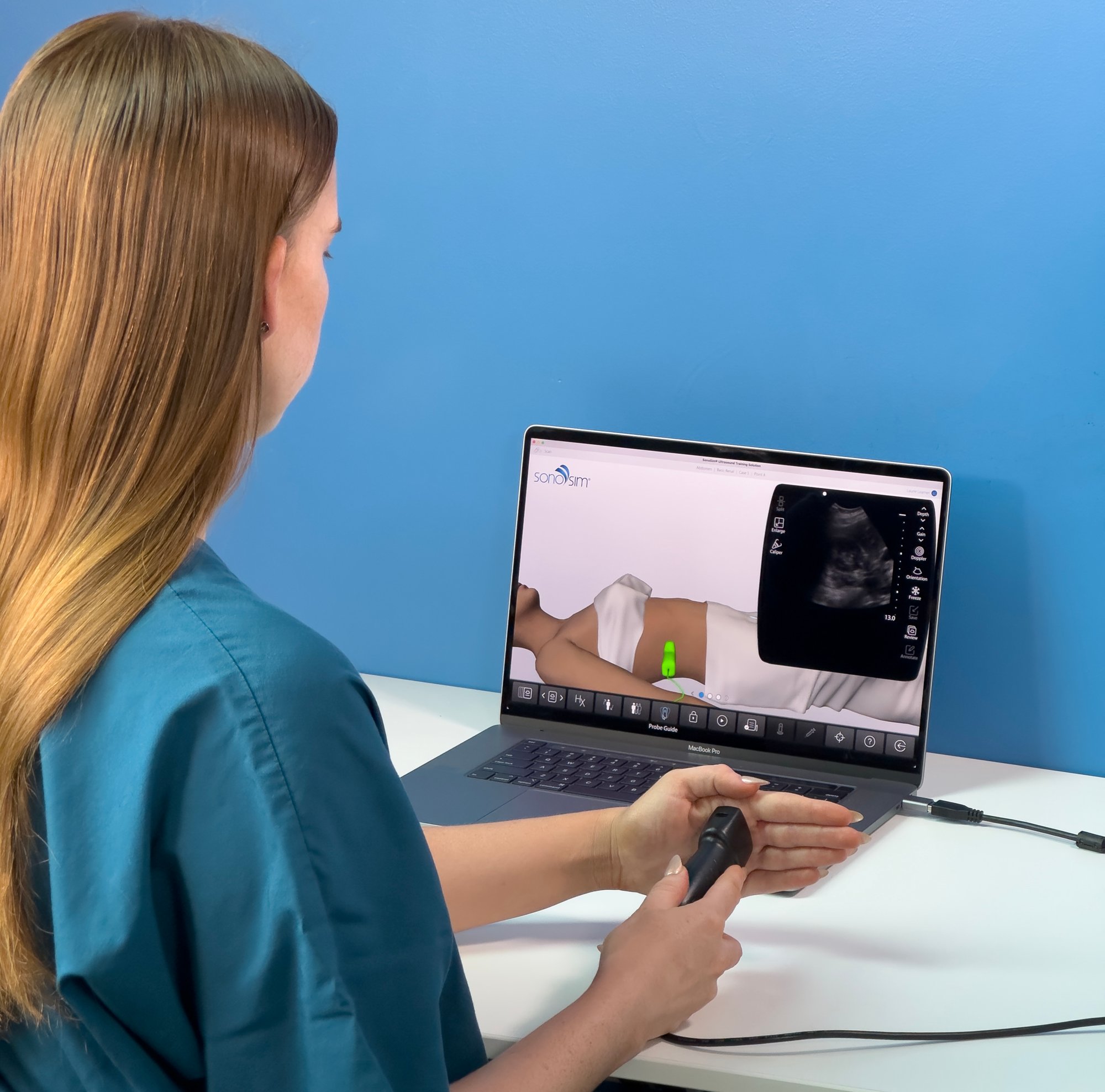
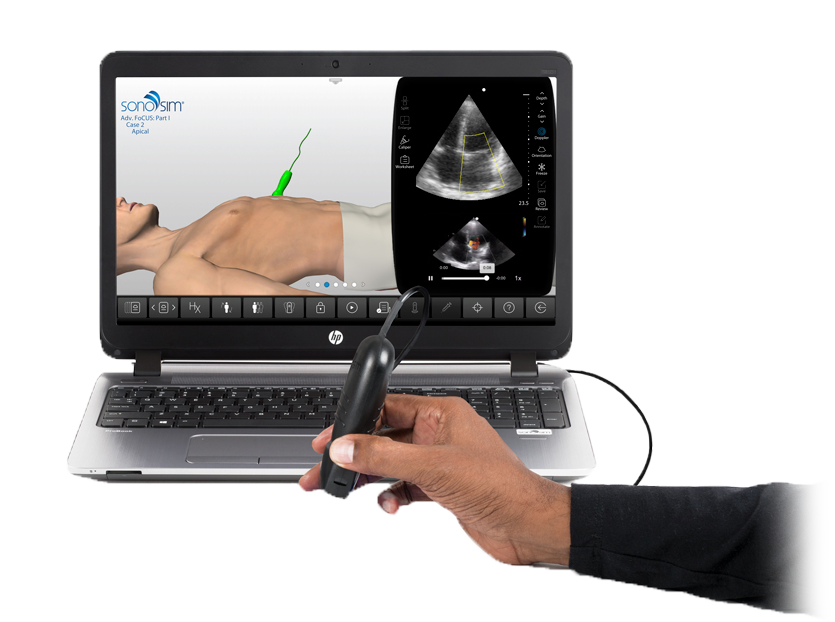
Unlock hands-on ultrasound experience with the SonoSimulator®. This proven methodology breaks down the traditional barriers to ultrasound learning, offering access to thousands of real patient scanning opportunities of pathologic conditions.
For beginners and practicing physicians alike, our software provides on-demand, AI-driven performance assessments, guided probe positioning, and immediate feedback. Learn to acquire and interpret ultrasound images on a laptop, with support from a virtual tutor, right at your fingertips.
Risk-Free Practice of Ultrasound-Guided Procedures
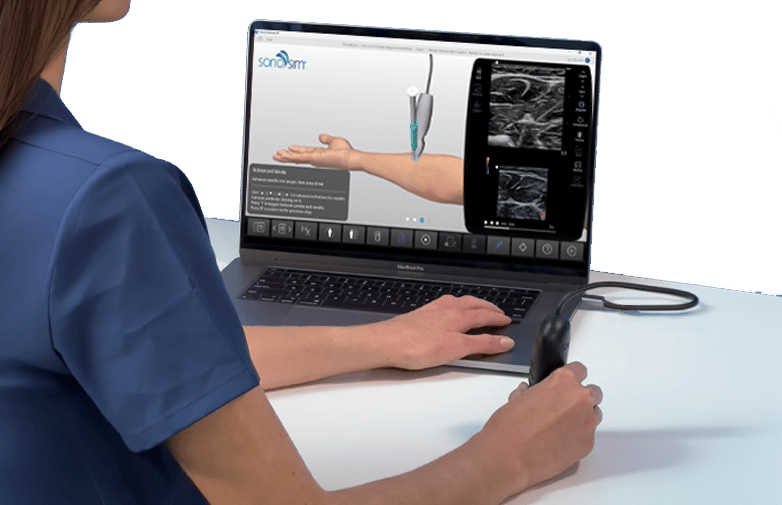
Real-time ultrasound guidance for procedures like peripheral IV access is rapidly becoming the standard of care, demanding not only significant knowledge but also refined psychomotor skills.
SonoSim's training environment offers learners a safe and convenient space to hone these essential abilities. With unrestricted access to deliberate practice, SonoSim users can build the knowledge, skill, and confidence needed for success in ultrasound-guided procedures.
Track & Assess Progress
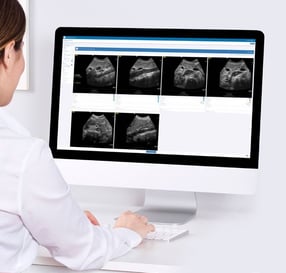
SonoSim revolutionizes learner assessment by offering comprehensive tools to monitor progress, deliver feedback, and even automate ultrasound image review. These features combine to alleviate the most time-consuming parts of managing ultrasound programs, allowing for more focused and effective training. And for learners, this feature provides access to ultrasound image portfolios which are useful for job and internship applications.
Build & Hone Knowledge with Study Tools & Resources
Now, more accessible than ever, learners can review and study ultrasound on-the-go. With case-based learning in our SonoSim QuestionBank, ultrasound case studies become powerful tools to test and reinforce knowledge. Plus, we offer an SPI exam study guide and ultrasound physics review questions, catering to learners of all backgrounds and needs. Our Challenge Cases give learners quick cases to challenge their skills. And a mobile app provides key references on any device.
Bring Ultrasound Simulation to Life
SonoSim LiveScan® offers an immersive, versatile tool for teaching & evaluating the integration of ultrasound into medical decision-making. Whether used with live volunteers or existing manikins, SonoSim LiveScan seamlessly incorporates ultrasound into scenario-based medical simulations, providing more realistic and enriching learning experiences.
Integrate SonoSim into Your Curriculum
We work closely with you to construct a thriving ultrasound training program tailored to your organization's needs. SonoSim's all-encompassing approach, featuring tools, expert guidance, resources, and support, ensures a smooth incorporation of ultrasound education into your existing curriculum. By empowering both educators and learners, our ecosystem unlocks the full potential of ultrasound, providing a pathway to success.

1 https://www.acgme.org/globalassets/pfassets/programrequirements/2026-prs/040_anesthesiology_2026.pdf
2 https://www.theaba.org/wp-content/uploads/2023/01/Initial_Certification_Content_Outline-4.pdf
3 https://www.asahq.org/standards-and-practice-parameters/resources-from-asa-committees#POC
4 https://rapm.bmj.com/content/46/12/1031
5 https://rapm.bmj.com/content/46/12/1048


